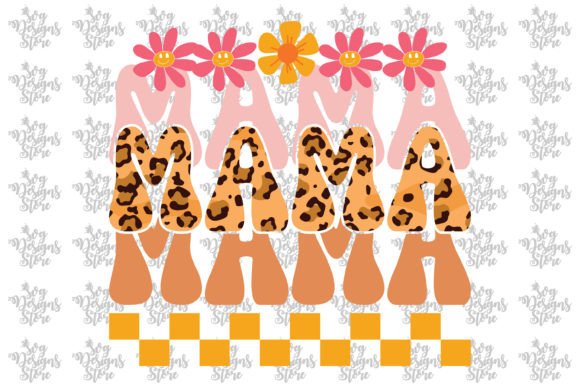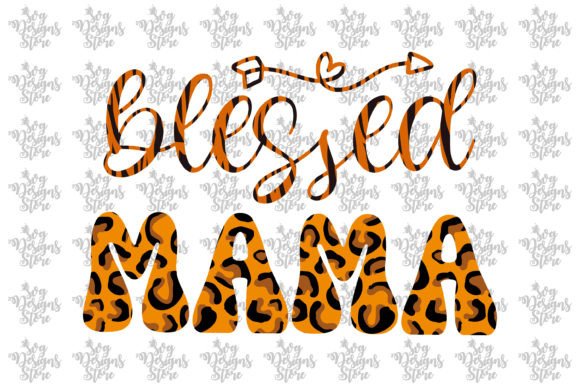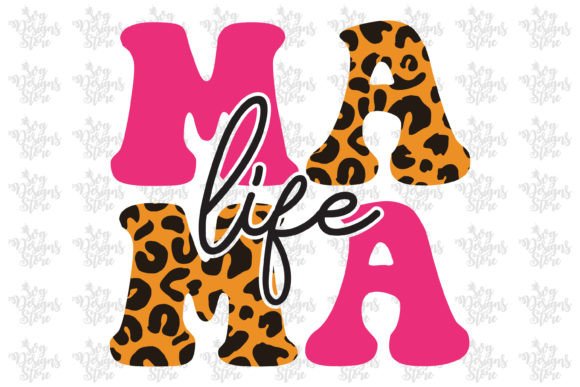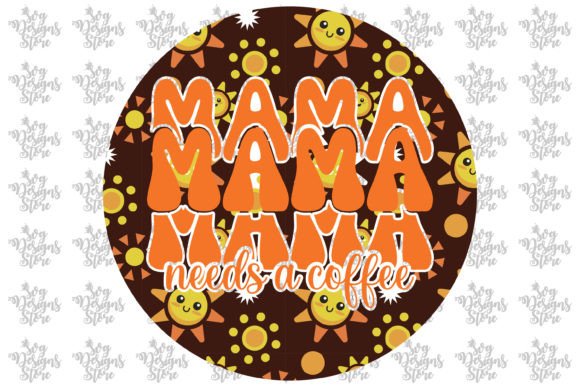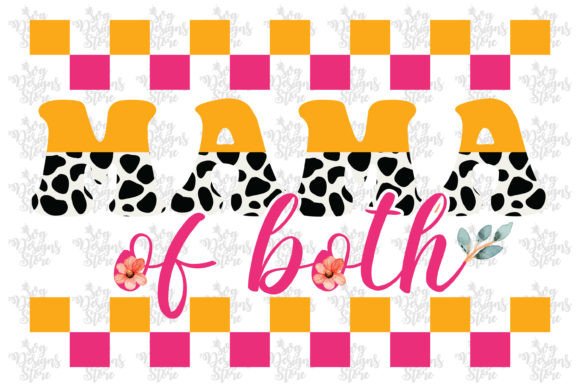
Mama of Both Mom Sublimation Svg Design Review
As a designer who spends more time than I care to admit staring at stitch charts and testing thread tension, I approach every new design file with a healthy dose of skepticism. The market is flooded with digital assets, but few actually translate well from screen to fabric. Today, I’m evaluating the Mama of Both Mom Sublimation Svg Design, a graphic that targets a specific, high-emotion niche: multi-parent households. This review focuses on practical application for embroidery designers, small business owners, and crafters looking to add this asset to their repertoire.
First Impressions and Visual Personality
The title alone tells you exactly who this is for. It speaks to blended families, step-parents, and dual-mother households—groups often underserved in mainstream holiday or Mother’s Day merchandise. Visually, the design carries a warm, inclusive tone. In the world of embroidery, "cute" can easily tip over into "cheap," but this file appears to strike a balance between playful sentimentality and clean graphic structure.
For an embroiderer, the initial appeal lies in its potential for personalization. The layout suggests a central focal point surrounded by text or secondary elements. This is crucial because it allows for variation. A boutique owner isn’t just selling one shirt; they are selling a customizable experience. The design’s personality feels modern yet timeless, avoiding trendy fonts that might look dated in six months. This longevity is vital for inventory management in a small shop.
Real-World Application: Where Does It Fit?
Let’s move past the specs and talk about where this design actually lives. I imagine this embroidery project shining on soft, neutral fabrics. Picture a heather grey sweatshirt embroidered with the phrase in a soft blush pink and navy thread combination. That is a bestseller waiting to happen.
Here is how it performs across various product categories:
- Custom Apparel: On t-shirts and hoodies, the design acts as a conversation starter. It works exceptionally well for family reunions or holiday gifts where the goal is to celebrate non-traditional family structures.
- Baby Items: Think onesies or burp cloths. The scale needs to be adjusted carefully here, but the sentiment resonates deeply with gift-givers looking for something meaningful rather than generic.
- Tote Bags: Canvas totes are a staple for the Etsy seller. Embroidering this on a sturdy tote adds value, transforming a simple bag into a keepsake item.
- Kitchen Textiles: Tea towels and aprons offer a different texture challenge but provide high visibility. If the design includes decorative accents, it can serve as a charming addition to a home kitchen set.
- Patches and Hats: For caps, the design must be simplified. Curved surfaces distort complex details, so using this as an embroidered patch sewn onto a flat cap might yield better results than direct-to-garment stitching.
The Emotional Value Proposition
Why does this matter? Because customers buy emotion before they buy fabric. When a customer sees a design that acknowledges their unique family dynamic, trust increases. They feel seen. This reduces hesitation at checkout. For the craft business owner, this translates to higher conversion rates and positive reviews. The design isn’t just a graphic; it’s a tool for connection.
Technical Considerations for Stitching
This is where many designs fail. A pretty JPEG doesn’t guarantee a clean stitch-out. Here is my practical advice for handling the Mama of Both Mom Sublimation Svg Design:
- Stitch Density Check: Before committing to a production run, test the stitch density. If the design relies heavily on dense fill stitches, ensure your machine can handle it without puckering the fabric. Blended families deserve quality, not warped hems.
- Thread Color Contrast: RGB color modes (as noted in the source files) do not always translate directly to thread colors. Always convert your mockups to grayscale first. If the text and background lack contrast in black and white, they will likely clash in thread form.
- Hoop Size Constraints: Verify the maximum hoop size required. If the design exceeds standard 4x4 or 5x7 hoops, you will need an advanced machine or multiple hooping stages. This adds labor costs, which must be factored into your pricing strategy for small shop products.
- Fabric Texture: Avoid using this design on highly textured fabrics like bouclé or thick fleece unless you are experienced with stabilizers. The fabric texture can obscure fine details, making the design look muddy.
Stabilizer and Technique Notes
Depending on whether you treat this as a pure machine embroidery design or incorporate elements of an applique design, your preparation will change. If the SVG includes cut-file components, you may need to layer felt or twill underneath for dimension. Always use a proper stabilizer—cut-away for stretchy knits like sweatshirts, and tear-away for stable wovens like cotton tees. Skipping this step is the fastest way to ruin a handmade product.
Where to Use Caution
No design is perfect for every scenario. There are specific situations where the Mama of Both Mom Sublimation Svg Design might struggle:
- Small Hoop Sizes: If you are working with tiny areas, such as the cuff of a baby sock or a small logo placement on a dress shirt, the detail may become illegible. Simplify or resize significantly.
- Dense Stitch Areas: If the design features large blocks of solid color, it may create a heavy, stiff area on the garment. Consider using a lighter underlay or reducing fill density if your software allows.
- Dark Fabrics: While bold colors pop on dark backgrounds, light threads may require double-pass stitching to cover fully, increasing thread consumption and time. Plan your thread colors accordingly.
- Curved Surfaces: As mentioned, hats and curved seams can distort straight lines. Test extensively on similar curves before offering this as a commercial embroidery option.
Final Verdict for Designers and Sellers
The Mama of Both Mom Sublimation Svg Design is a strong contender for any designer looking to expand their emotional range. It fills a gap in the market with sensitivity and style. For the digital product seller, it offers a versatile asset that can be used for both physical goods and printable mockups. For the embroidery enthusiast, it provides a rewarding challenge that results in a cherished personalized gift.
However, success depends on execution. Do not simply upload and sell. Test it. Refine it. Ensure the finished product reflects the care you put into selecting the design. Check licensing terms thoroughly—if you plan to sell finished items, confirm that commercial rights are included. If you are creating design assets for resale, verify the redistribution permissions.
In conclusion, this design has the potential to be a standout piece in your catalog. It resonates, it looks good, and it serves a real need. Just remember: the design is only half the battle. Your attention to detail in stitching, finishing, and presentation is what turns a good file into a great product. Happy stitching.